
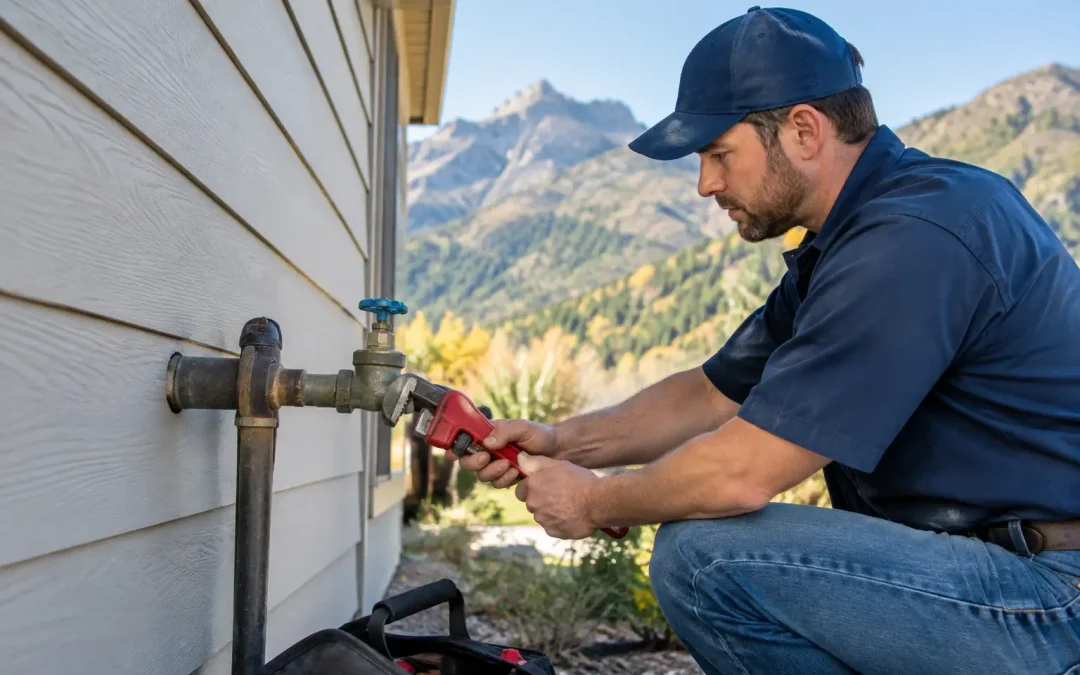
A burst pipe at a second home does not wait for a convenient flight to Durango. Neither does a furnace failure during a cold snap, a roof leak under heavy snow, or a security issue discovered after a storm. When homeowners ask who handles emergency home repairs, the most useful answer is rarely just one person. It is a clear local response team, led by someone who can assess the situation, protect the property, and bring in the right qualified professional without delay.
For seasonal homeowners and busy residents alike, the priority is not simply getting a repair scheduled. It is limiting damage, protecting the home’s systems, documenting what happened, and knowing the work is being handled carefully while you remain focused on your life.
Who Handles Emergency Home Repairs?
The first call depends on the nature and severity of the emergency. If there is immediate danger to people or the property, contact emergency services or the utility provider first. A suspected gas leak, active fire, downed electrical line, or carbon monoxide alarm calls for 911 and, when appropriate, the gas or electric utility. Do not try to diagnose or contain those hazards yourself.
For urgent property damage that is not life-threatening, a qualified local trade professional is often the person who completes the repair. Plumbers address active leaks and failed water heaters. HVAC technicians respond to heating failures. Electricians investigate electrical concerns. Roofers, restoration specialists, locksmiths, and tree services each have their place when weather or damage affects the home.
But coordinating an emergency is more than placing a service call. A home management professional can serve as the homeowner’s local point person: receiving the alert, visiting the residence, taking immediate protective steps, meeting the vendor, communicating updates, and confirming that the home is secure after the work is complete. This is especially valuable when the owner is out of town or the home has been vacant.
First, Separate a True Emergency From an Urgent Repair
Not every repair needs an after-hours response, but delaying the wrong one can turn a manageable issue into a major claim. The question is whether the problem presents an immediate risk to safety, security, or the structure of the home.
An active water leak, loss of heat during freezing temperatures, a broken exterior door lock, a damaged roof admitting water, or a power-related issue affecting critical systems generally merits prompt action. A dripping faucet, a single malfunctioning appliance, or a cosmetic concern may be urgent but can often wait until normal business hours.
In Durango and the surrounding mountain region, weather changes the equation. A home without heat can quickly become a frozen-pipe risk. Heavy snow can expose roof vulnerabilities. A downed branch may compromise an access point or electrical line. The right response considers not only what has failed, but what may fail next if the home is left unattended.
What a Local Home Manager Does During an Emergency
A trusted home manager does not replace licensed tradespeople. Instead, they make sure the right expert arrives with clear information and that the property is protected before, during, and after the repair.
That process often begins with a verification visit. Smart-home notifications, security cameras, and calls from neighbors are helpful, but they do not always reveal the full condition inside the home. A local representative can determine whether water is actively flowing, whether heat is operating, whether windows or doors are secure, and whether emergency mitigation is needed.
From there, the home manager can coordinate the appropriate vendor, provide access, and remain available to answer questions about the property. If a plumber finds water damage behind a wall, for example, the work may require both plumbing repair and water mitigation. A knowledgeable local coordinator keeps those moving parts organized rather than leaving the homeowner to manage a series of calls from another state.
Just as importantly, this person documents what was found and what was done. Clear written updates, photographs when appropriate, vendor recommendations, and repair records give homeowners a reliable account of the situation. That record can be useful for insurance discussions, future maintenance planning, and simple peace of mind.
The Right Order of Operations Matters
In the middle of an emergency, it is easy to focus solely on the visible problem. Good response work follows a more disciplined order: protect people first, prevent further damage, identify the cause, complete the repair, and confirm the home is ready to be left unattended again.
For a water event, that may mean shutting off the main water supply, arranging extraction or drying services, repairing the failed component, and checking adjacent areas for moisture. For a heating failure, it could mean confirming the thermostat and power supply, arranging a licensed HVAC technician, monitoring indoor temperature, and using safe temporary measures to protect plumbing until heat is restored.
There are trade-offs. An after-hours service visit may cost more than a scheduled appointment, and some repairs may require temporary stabilization before parts or specialists are available. In most cases, the expense of a prompt assessment is modest compared with the cost of unchecked water, freezing temperatures, or a compromised exterior opening. The goal is not to authorize unnecessary work. It is to make informed decisions quickly, with expert hands on site.
When Insurance Should Be Involved
Insurance is not the first call for every emergency, but it should be considered when there is significant damage, a sudden covered event, or uncertainty about the scope of loss. A broken pipe that damages flooring, cabinets, or finished spaces may warrant a claim. A small repair to a leaking fixture may not.
Before authorizing extensive restoration, homeowners may want to review their policy and speak with their insurer or agent. That said, immediate mitigation should not be delayed while waiting for an insurance decision. Stopping water intrusion, securing a damaged window, or protecting a home from freezing is responsible property care. Keep invoices, photos, and notes from vendors, since documentation supports a clearer claims process.
A home management partner can help collect this information and maintain an organized timeline, while the homeowner remains the decision-maker on insurance and repair approvals.
Why Preparedness Is the Best Emergency Plan
The most effective emergency response begins long before a problem occurs. Homes that receive regular oversight are more likely to reveal small concerns before they become urgent: a slow leak under a sink, a furnace showing early signs of trouble, a failing sump pump, or a roof area that needs attention before winter.
For an unoccupied Durango home, preparedness should include current emergency contacts, clear vendor access instructions, knowledge of shutoff locations, and a seasonal plan for heating, plumbing, and exterior conditions. It also helps to decide in advance who has authority to enter the home and coordinate vendors when you cannot be there.
At Elevation Home Management, that preparation is part of thoughtful home stewardship. Routine system checks, seasonal readiness, trusted vendor coordination, and detailed reporting create a stronger foundation when an unexpected issue arises. Rather than starting from scratch during a stressful moment, homeowners have a local team that already understands the residence and its priorities.
A Calm Local Presence Makes the Difference
Emergency repairs are rarely convenient, and no two situations are exactly alike. Some require a single service call; others involve restoration professionals, insurance conversations, and follow-up repairs over several weeks. What homeowners need most is a responsible local presence that can assess conditions, communicate clearly, and handle every detail with care.
When your home is protected by attentive oversight and established local relationships, an emergency does not have to take over your time in Colorado. It can be addressed promptly, documented carefully, and resolved with the confidence that your retreat is being looked after while you get back to living your best life in Durango.