
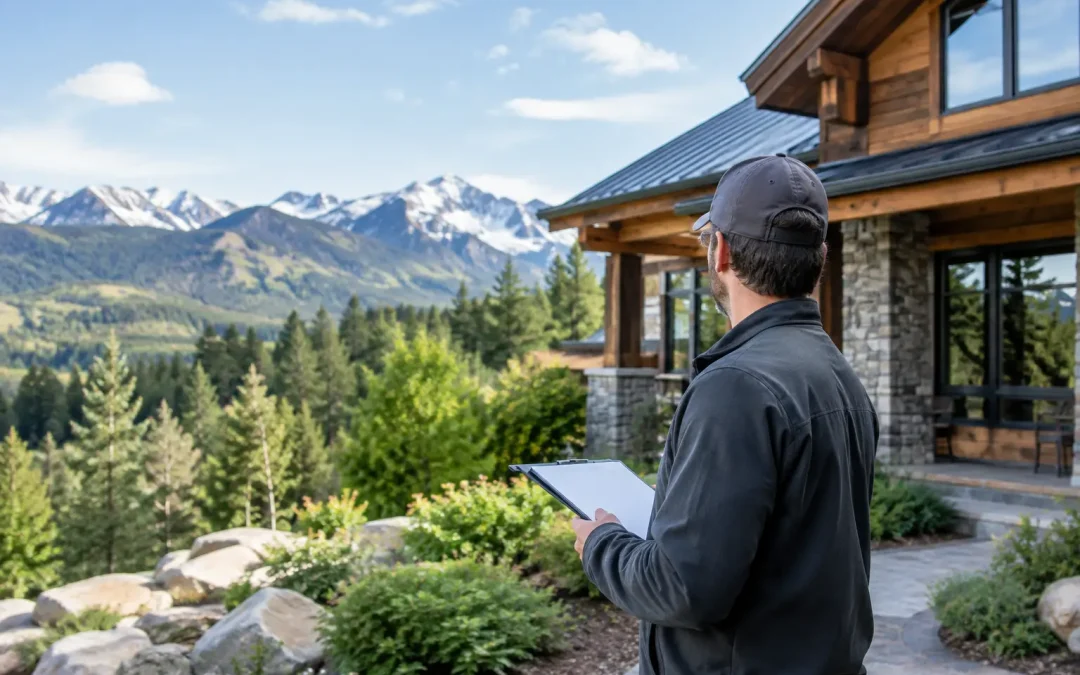
A mountain home can look perfectly settled from the road while a small issue develops quietly inside. A boiler pressure change, a tripped heat-tape circuit, a slow leak below a sink, or snowmelt finding its way toward the foundation can become costly when no one is there to notice. Thoughtful property caretaking gives Durango homeowners a trusted local presence that watches over the details between visits and keeps a home ready to enjoy.
For seasonal and second-home owners, this is not simply a matter of having someone stop by occasionally. It is a disciplined approach to protecting a significant asset, managing complex home systems, coordinating the right professionals, and resolving concerns before they interrupt your plans. For busy full-time residents, it can also mean fewer calls, fewer vendor schedules to manage, and more time spent living your best life in Colorado.
What Property Caretaking Really Means
Property caretaking is proactive home oversight. It combines routine inspections, preventative maintenance, seasonal preparation, vendor coordination, and clear communication into one accountable service. The goal is not just to identify a problem after it has occurred. It is to understand how the home is performing, recognize early warning signs, and handle the next step with care.
This distinction matters in the Durango area. Mountain homes often have radiant heat, boilers, tankless water heaters, private wells, cisterns, backup generators, long driveways, roof ice-melt systems, and drainage features that need regular attention. These systems are valuable when they work correctly, but they are not set-and-forget amenities, particularly during a cold spell or a period of vacancy.
A capable caretaker learns the home rather than applying a generic checklist. Where is the main water shutoff? How should the heating zones read under normal winter conditions? Which exterior areas collect snow or shed runoff? When was the generator last exercised? The answers create a practical baseline, making unusual changes easier to spot and address.
Why Local Oversight Matters in a Mountain Climate
Durango’s four seasons are part of what makes owning a home here so rewarding. They also create maintenance demands that may not be obvious to an owner living elsewhere. A sudden temperature drop can expose an unprotected plumbing line. Heavy snow can strain gutters, alter drainage patterns, and make access more difficult. Spring runoff can reveal a grading or French-drain issue that was invisible during a dry fall.
A vacant house is especially vulnerable because minor conditions have time to escalate. A small water intrusion may continue for days. A boiler fault may leave a home without sufficient heat. A security alert may be a harmless battery notification, or it may require someone to be physically present. Remote monitoring is helpful, but it does not replace an experienced person who can assess what is actually happening at the property.
Local property caretaking brings judgment to those moments. A caretaker can determine whether a situation calls for observation, an immediate trade professional, a temporary protective measure, or direct communication with the owner. That measured response prevents both unnecessary alarm and costly delay.
The Routine Checks That Protect a Home
A well-managed visit should be more than a quick walk-through. It should examine the systems and conditions most likely to affect the home’s safety, comfort, and long-term value. The frequency depends on occupancy, season, the home’s complexity, and the owner’s preferences. A residence left empty through winter may need more frequent attention than a full-time home with active residents.
During a typical visit, a caretaker may check interior temperatures, heating equipment, water pressure, visible plumbing connections, appliances, electrical panels, security devices, and signs of leaks or moisture. Exterior attention may include doors and windows, roofline observations, snow accumulation, drainage areas, visible heat tape, landscaping, and driveway access.
The value is in connecting the observations. For example, a lower-than-normal boiler pressure, a cooler zone in a radiant floor system, and a homeowner’s recent comment about slower hot water may point to an issue worth evaluating before it becomes a no-heat call. A damp area near a utility room may be minor condensation, but it also deserves a closer look if it is new or increasing.
Written status reporting is an essential part of this process. Owners should know when the home was checked, what was observed, what work was completed, and whether any follow-up is recommended. Clear reports create accountability and make it easier to track recurring items over time.
Seasonal Preparation Is Not a One-Time Checklist
Winter preparation is often the most visible part of mountain-home care, but each season has its own priorities. Before colder weather arrives, heating systems should be evaluated, exterior water features addressed, heat tape and roof ice-melt settings reviewed, and vulnerable plumbing areas considered. A home that has been closed for months may also need careful arrival preparation before an owner returns.
Spring is a time to watch snowmelt, drainage, roof conditions, and the effects of freeze-thaw cycles. Summer may bring irrigation, landscaping, pest concerns, and outdoor living areas back into use. In fall, attention shifts again toward heating, weatherization, leaves in drainage paths, and preparing the property for a quieter season.
The right plan depends on the house. A newer in-town residence with municipal water has different needs from a private mountain retreat with a well, generator, extensive outdoor spaces, and hydronic heating. Good caretaking is tailored, not merely scheduled.
Vendor Coordination Without the Homeowner Runaround
Homeownership can become a part-time administrative job when a repair is needed. Someone has to diagnose the concern, find a qualified provider, schedule access, answer questions, confirm the work, and make sure the property is secured afterward. That process is inconvenient for any owner and particularly frustrating from another state or during a busy workweek.
A property caretaker serves as the local point person. When a qualified plumber, HVAC technician, electrician, landscaper, or other trade professional is needed, the caretaker can provide context, arrange access, meet the vendor when appropriate, document the work, and communicate the outcome. Established local relationships matter because they help create clearer expectations and dependable follow-through.
There is a practical trade-off here. Not every concern requires an immediate service call, and not every service call can be resolved on the first visit. A trusted caretaker helps owners make informed decisions by explaining the condition, the urgency, the likely options, and the next recommended step. That is more valuable than simply forwarding a bill or relaying a vague message.
Arrival-Ready Care Changes How You Use Your Home
The best property caretaking does more than protect against problems. It makes the home feel welcoming when you arrive. After a long travel day, owners should be able to walk into a comfortable, prepared residence rather than spend the first evening checking thermostats, arranging housekeeping, buying groceries, or wondering whether the driveway was cleared.
Arrival preparation can include adjusting temperatures, coordinating housekeeping, inspecting the home before arrival, stocking requested groceries, arranging seasonal services, and confirming that key systems are operating as expected. These details are personal, and the right level of support varies by household. Some owners want a simple pre-arrival check; others prefer a fully prepared home with every practical detail handled.
That hospitality-minded approach also supports full-time residents. Coordinating an errand, meeting a contractor, or arranging lawn care may seem small in isolation. Together, those tasks can consume the time homeowners would rather spend with family, on the trail, or enjoying the community they chose.
Choosing a Property Caretaker You Can Trust
The relationship should feel personal, organized, and transparent. Ask how often the home will be checked, what each visit includes, how urgent issues are handled, and what type of reporting you will receive. It is also wise to ask about experience with the systems in your particular home, especially radiant heating, boilers, generators, private water systems, smart-home technology, and snow-related concerns.
Look for a caretaker who communicates clearly without creating unnecessary worry. You want someone who takes ownership of details, knows when to involve a specialist, and respects both your home and your privacy. Responsiveness matters, but so does sound judgment.
Elevation Home Management approaches each residence as both a carefully managed asset and a retreat that should be ready when its owners are. With attentive oversight, qualified local coordination, and tailored concierge support, property caretaking becomes less about managing a to-do list and more about knowing your Durango home is in expert hands.
The most valuable result is quiet confidence: when you are away, your home is being watched with care; when you return, it is ready for the time you came to enjoy.