
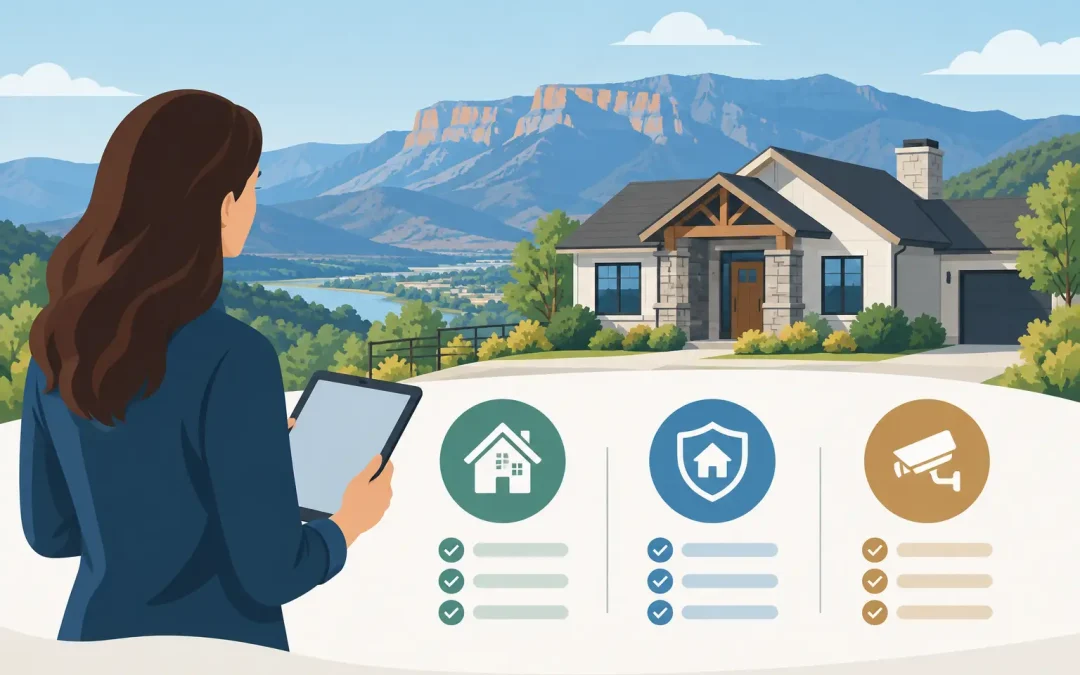
A meaningful home watch comparison starts with a practical question: when you are away from Durango, who is truly looking after your home? A quick walk-through may confirm that the doors are locked. Thoughtful home oversight goes further, identifying a frozen pipe risk, a furnace alert, a roof concern after heavy snow, or a vendor issue before it interrupts your plans or becomes a costly repair.
For second-home owners, seasonal residents, and busy local households, the right service is not simply about having someone nearby. It is about trusted care, clear accountability, and the confidence that a capable local professional will handle every detail when something needs attention.
What a Home Watch Comparison Should Reveal
Not every provider uses the same terminology. A company may call itself a home watch service, a property manager, a caretaker, or a concierge. The names matter less than the scope of work, communication standards, and responsibility the provider accepts on your behalf.
The most useful comparison looks beyond the advertised visit frequency. Ask what happens during each visit, how findings are documented, whether the provider is equipped to coordinate repairs, and who follows through once a concern is found. In a mountain community, where weather can shift quickly and many homes sit vacant for extended periods, that follow-through is often the difference between a minor service call and an avoidable disruption.
Basic home watch services
A basic home watch service generally provides scheduled visual inspections while the home is unoccupied. Visits may include checking doors and windows, looking for visible leaks, confirming that heat or cooling is operating, collecting mail or packages, and reporting obvious concerns to the owner.
This can be appropriate for a smaller residence, a home that is vacant only briefly, or an owner who remains available to make decisions and manage contractors remotely. The trade-off is that the service may stop at observation. If a water heater is leaking, a storm damages a fence, or the internet fails and affects a monitored system, the homeowner may still be responsible for finding, scheduling, and overseeing the right vendor.
Basic home watch also varies widely in quality. One provider may follow a thoughtful, repeatable checklist and send detailed written reports. Another may provide a brief text saying everything looks fine. For a high-value home, the distinction deserves close attention.
Traditional property management
Traditional property management is often designed around rental homes. It may include tenant communication, leasing, rent collection, property turnover, inspections, and maintenance coordination. For an investment property with regular occupants, that structure can be exactly right.
For a private second home, however, rental-oriented management may not address the personal details that make a residence comfortable and protected. Your needs may include preparing the home before arrival, confirming the driveway is accessible, coordinating housekeeping, checking seasonal systems, stocking the kitchen, or being present for a specialized service appointment. Those requests can fall outside a conventional rental-management model.
That does not make traditional property management less valuable. It simply serves a different purpose. Owners should be clear about whether they need tenant management, vacancy oversight, lifestyle support, or a combination of all three.
Full-service home management and concierge care
A full-service home management provider combines regular oversight with active coordination and personalized support. Rather than merely reporting an issue, the provider helps assess the urgency, contacts qualified local tradespeople, coordinates access, monitors progress, and keeps the owner informed.
This approach is especially useful in Durango, where a home may face snow load, freeze-thaw cycles, wildfire-season considerations, power interruptions, and the normal wear that comes with mountain living. It also supports the reason many owners purchased here in the first place: to spend more time skiing, riding, hiking, gathering with family, and living their best life in Colorado, rather than arranging service calls from another state.
Concierge services add another layer of value. Arrival preparation, grocery stocking, housekeeping coordination, errands, lawn care, and seasonal setup may sound separate from home watch, but they create an arrival-ready home. For owners with limited time in Durango, that level of preparation can turn a long to-do list into a welcoming first evening.
Compare the Work Behind Each Visit
A provider’s inspection checklist should reflect the systems and vulnerabilities of your particular home. A condominium with building-managed exterior systems has different needs than a large home on acreage. A residence with radiant heat, a hot tub, a well, a security system, or extensive landscaping calls for more specialized attention than a simple lock-and-leave property.
Ask prospective providers how they inspect heating equipment, plumbing areas, electrical panels, appliances, humidity or moisture concerns, exterior drainage, and signs of pest activity. Also ask how they adjust their visits after significant weather. A routine check may be sufficient in mild conditions, while a major storm or deep freeze can warrant a more immediate response.
Frequency should be based on risk, not habit. Weekly visits often provide greater reassurance for unoccupied mountain homes, particularly in winter. Biweekly service may fit some homes and seasons. The right schedule depends on the home’s systems, location, vacancy periods, insurance requirements, and your tolerance for risk.
Just as important is the quality of the report. Detailed written status updates, ideally with photographs when relevant, give owners a clear record of the home’s condition and work performed. They also create continuity. If a small issue appears over several visits, a responsible manager can recognize the pattern and recommend action before it grows.
Compare Response and Vendor Coordination
A home watch comparison should test what happens after something goes wrong. Consider a failed thermostat on a cold February night, a water alarm during a spring storm, or a tree limb down across an access road. Who receives the alert? Who has authority to act? Who can get a qualified professional to the property? Who confirms the work was completed properly?
Some services notify the homeowner and wait for instructions. Others can provide active issue resolution within agreed-upon spending limits, keeping the owner updated while moving the repair forward. For an owner who lives out of town or travels frequently, active coordination is often worth more than the inspection itself.
Local relationships matter here. A provider who regularly works with established Durango tradespeople can help match the issue to the appropriate professional, coordinate access, and stay accountable to the outcome. This does not mean every repair will be inexpensive or immediate, especially during storms and busy seasonal periods. It does mean you have a knowledgeable local representative protecting your interests rather than leaving you to manage a problem from afar.
Look Closely at Communication and Accountability
Luxury-level service should feel organized, not vague. Before choosing a provider, understand the communication rhythm. You should know when to expect reports, how urgent concerns are escalated, what response times are typical, and whether you will have a consistent point of contact familiar with your home.
It is also wise to discuss authorization in advance. Establish spending thresholds for emergency work, preferred vendors if you have them, access procedures, insurance information, and any home-specific instructions. The clearer these details are before an issue occurs, the faster and calmer the response can be.
Discretion is another essential consideration. Your home contains personal belongings, private information, and often periods of predictable vacancy. Choose a provider with professional standards for keys, access codes, vendor entry, documentation, and confidentiality. Trust is built through small, consistent actions: arriving when promised, reporting accurately, respecting the home, and closing the loop on every request.
Compare Cost by Exposure, Not Visit Price
The lowest per-visit rate can be tempting, but it rarely tells the whole story. A lower-cost service that identifies a concern but does not manage the next steps may require considerable time from the owner. A more comprehensive plan may include detailed reporting, vendor coordination, seasonal planning, and concierge support that reduces the operational burden of ownership.
Ask for a clear explanation of what is included and what is billed separately. Understand the cost of additional visits, emergency response, project coordination, vendor oversight, arrival preparation, and after-hours requests. Transparent pricing allows you to compare services fairly and choose the level of care that matches your home and lifestyle.
For many Durango homeowners, the best fit is a tailored plan rather than a fixed package. Elevation Home Management approaches each residence as both a valuable asset and a personal retreat, building oversight around the systems, seasons, and service preferences that matter most to the owner.
The right choice should leave you with more than a report stating that the house was checked. It should give you the quiet confidence that expert hands are watching over your home, ready to respond, and preparing it for the time you get to enjoy it.