
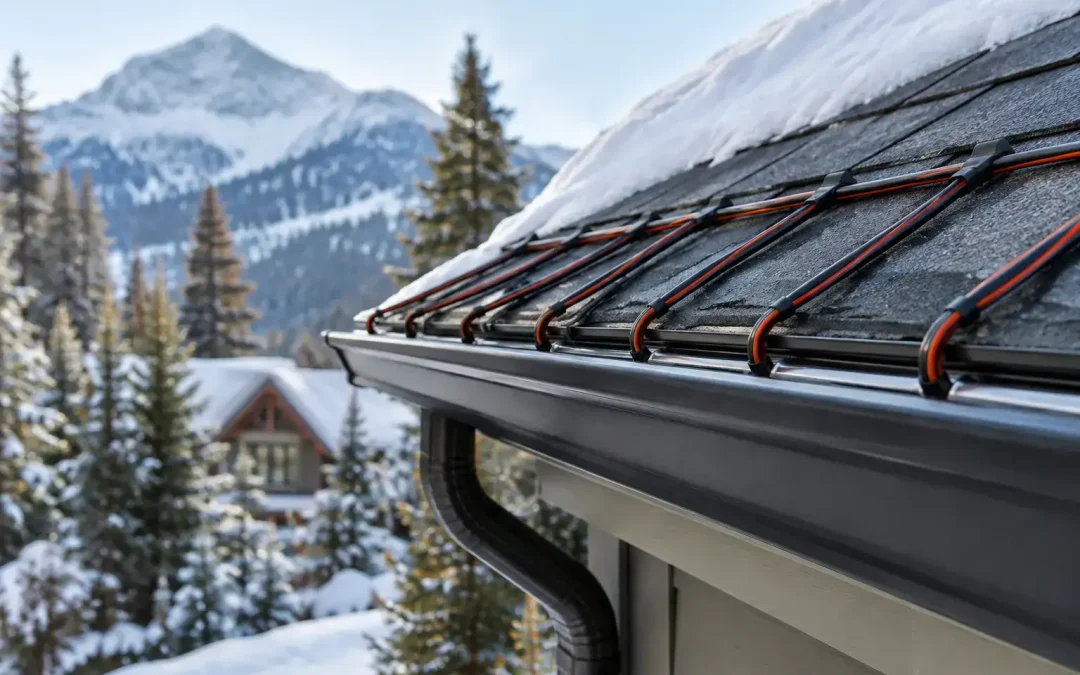
A heat tape failure rarely announces itself while the system is still working. The first clue may be a cold section of pipe, an unexplained breaker trip, or worse, a leak discovered after a hard Southwest Colorado cold snap. So, can heat tape fail? Absolutely. Like any electrically powered freeze-protection system, it has a service life, installation requirements, and failure points that deserve regular attention, especially at a second home that may sit empty for weeks.
Heat tape can be an effective layer of protection for vulnerable plumbing, but it is not a set-it-and-forget-it solution. Homeowners should understand what it protects, what can cause it to stop working, and how regular property oversight can catch concerns before they become a water-damage event.
Can Heat Tape Fail in a Mountain Home?
Heat tape, also called heat cable, is designed to warm a pipe enough to reduce the risk of freezing. It is commonly found on exposed water lines in crawlspaces, utility areas, garages, pump houses, and sections of plumbing near exterior walls. Some products provide steady heat when plugged in; others are self-regulating and adjust their output based on surrounding temperature.
Both types can fail. Age is one reason, but it is not the only one. Damage to the cable jacket, improper installation, a failed thermostat or sensor, loose electrical connections, moisture at a plug or outlet, and a tripped ground-fault circuit interrupter can all leave a pipe without protection.
For a home in the Durango area, the risk often comes from conditions around the pipe, not simply the overnight low. Wind moving through an uninsulated crawlspace, a garage door left open, a power outage, or a pipe located against a poorly insulated exterior wall can create a localized cold spot. A heat tape installation that was adequate years ago may no longer be sufficient after insulation shifts, rodents disturb materials, or building conditions change.
Why Heat Tape Stops Working
Wear, damage, and product age
Heat tape is exposed to the same realities as the spaces it protects. Crawlspaces can be damp and dusty. Utility rooms may be cramped. Storage items can press against cords, and animals can chew insulation. Over time, the cable’s outer jacket can crack or become damaged, creating both a performance concern and a potential electrical hazard.
Older heat tape deserves particular scrutiny. Product life varies by type, installation, and environment, so there is no single replacement schedule that fits every home. If the cable’s age is unknown, the label is unreadable, or there are visible signs of deterioration, a qualified electrician or plumber should assess it rather than assuming it will perform through another winter.
Installation problems
Heat tape must be installed according to the manufacturer’s instructions for the specific product and pipe material. Some cables may overlap only if they are designed for it; others can overheat when crossed. Some are suitable for certain pipe types and not others. A cable that is loosely applied, installed on the wrong portion of the line, covered with unsuitable insulation, or plugged into an improper extension cord may not deliver safe, reliable protection.
This is also why wrapping pipe insulation around an existing cable without confirming the product requirements can be a mistake. Insulation often improves efficiency, but the wrong material or installation method can trap excessive heat or conceal damaged cable.
Electrical supply interruptions
A heat tape can be in good condition and still be off. A tripped breaker, GFCI outlet, power outage, unplugged cord, or failed thermostat can interrupt operation. In a vacant home, this issue can go unnoticed until temperatures have already put plumbing at risk.
A frequent source of confusion is the GFCI outlet. These outlets are designed to trip when they detect a potential electrical fault. Resetting one repeatedly without identifying the cause is not a solution. If it trips again, leave the system off and have a qualified electrician diagnose the issue.
Heat loss exceeds the cable’s capacity
Heat tape is not a substitute for proper pipe placement, insulation, air sealing, and adequate building heat. In an exposed location, it may only be able to offset a limited amount of heat loss. Severe cold, wind exposure, or a prolonged outage can overwhelm the system.
That trade-off matters for second-home owners. Heat tape can be a sensible safeguard for a known vulnerable section of pipe, but it should sit within a broader cold-weather plan that includes monitored indoor temperatures, protected crawlspaces, a clear shutoff strategy, and scheduled checks during extended cold periods.
Warning Signs Worth Addressing Promptly
A visual inspection can reveal some problems before winter, but not every failure is visible. Look for frayed cable, cracked or brittle insulation, discoloration, exposed wiring, loose plugs, damaged pipe insulation, or moisture near the electrical connection. A cable that feels unusually hot, emits an odor, or causes repeated breaker or GFCI trips should be treated as an immediate concern.
There are also indirect signs. If a pipe freezes despite having heat tape, if an adjacent area feels colder than expected, or if a monitored temperature drops below the home’s normal range, assume the protection system needs attention. Do not wait for a second freeze event to see whether the problem repeats.
For vacant residences, property inspections are especially valuable because they create a consistent record of conditions. A local home manager can verify that the home has power and heat, observe the condition of accessible piping and insulation, identify unusual cold areas, and coordinate the appropriate licensed professional when something requires technical diagnosis or repair.
How to Check Heat Tape Safely
Homeowners can confirm a few basics without attempting electrical repairs. Start by locating the heat tape’s plug, outlet, breaker, and any thermostat or controller. Make sure the cable is plugged directly into an appropriate outlet as specified by the manufacturer. Check whether the outlet has tripped, and confirm that the relevant breaker is on.
Then inspect only the accessible portions of the cable without pulling, bending, or unwrapping it. Read the product label if it is available. It should identify the manufacturer, model, and instructions that govern operation and replacement. If the cable is buried under insulation or tucked into a tight crawlspace, it is better to have a professional inspect it than to disturb the installation.
Avoid several common shortcuts:
- Do not use damaged heat tape, even temporarily.
- Do not wrap the cable over itself unless the manufacturer expressly allows it.
- Do not cover connections with insulation, plastic, or improvised weather protection.
- Do not use indoor extension cords or attempt to splice or repair heat tape.
- Do not assume warmth at one point proves the entire cable is functioning.
Testing electrical resistance, verifying wattage draw, and evaluating a thermostat or self-regulating cable are jobs for a qualified electrician or plumbing professional familiar with freeze-protection systems. The same is true if a pipe has already frozen. Applying uncontrolled heat can damage the pipe or create a fire risk, and a frozen line may already be cracked before it thaws.
A Better Approach for Second Homes
The most reliable strategy is to treat heat tape as one component of a documented home-systems plan. Before sustained freezing weather arrives, identify where heat tape is installed, what it protects, when it was installed or last replaced, and which breaker and outlet serve it. Keep that information with other home records so a local caretaker or service professional can respond quickly if a concern arises.
It is also helpful to map related components: the main water shutoff, drain-down points if applicable, crawlspace access, indoor temperature sensors, and the contact information for qualified plumbing and electrical vendors. That level of organization shortens response time when weather changes quickly or a monitor sends an alert.
For homes that are unoccupied for part of the winter, a scheduled in-person visit adds context that remote monitoring cannot provide. A sensor can show that the living area is warm, but it cannot always reveal a draft under a sink, a shifted crawlspace access panel, or a GFCI that has tripped in an out-of-the-way utility room. Elevation Home Management’s role is to notice these property-specific details, communicate clearly, and coordinate trusted licensed vendors when work is needed.
Heat tape deserves attention because it protects a small but consequential part of the home. Keeping its condition, power supply, and surrounding insulation under regular review helps homeowners spend less time reacting to winter surprises and more time living their best life in Colorado.