
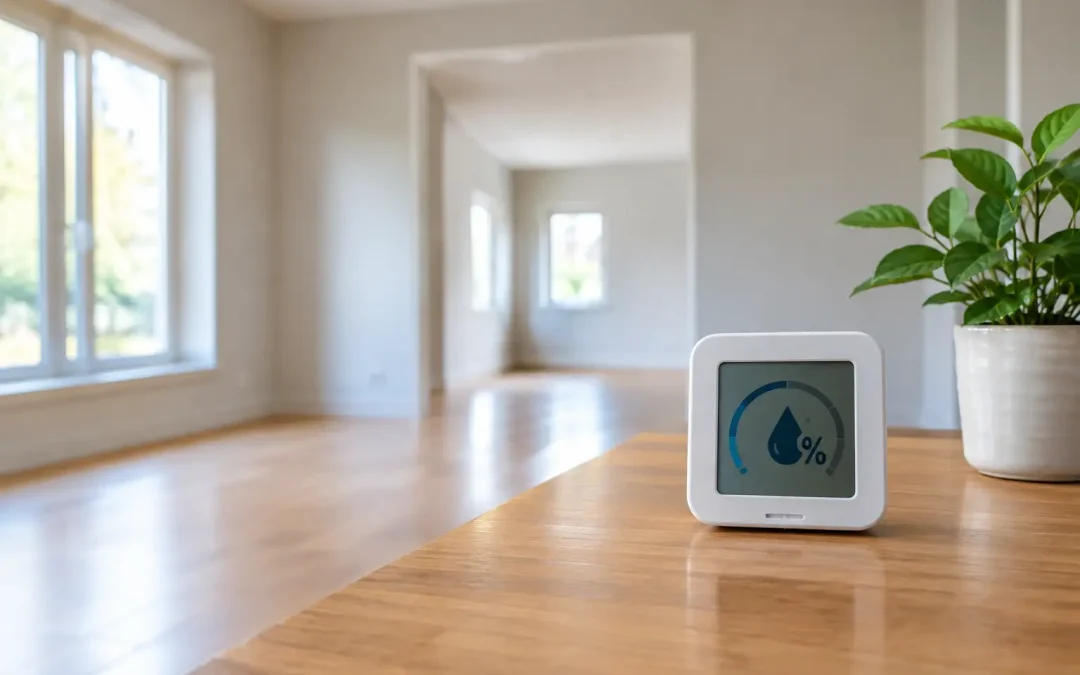
A vacant home can look perfectly normal during a brief walk-through while excess moisture is quietly affecting wood floors, cabinetry, window trim, and concealed areas. So, should empty homes monitor humidity? For most second homes in Durango and Southwest Colorado, the answer is yes. Humidity monitoring is a practical early-warning measure that helps owners spot changing indoor conditions before a small issue becomes a difficult repair.
Humidity is not the only condition worth tracking in an unoccupied home, and a sensor is not a replacement for an in-person inspection. Still, it provides useful information between visits, especially when weather changes quickly or a home sits closed for extended periods.
Why empty homes should monitor humidity
Relative humidity measures how much moisture is in the air compared with the maximum amount that air can hold at a given temperature. When indoor humidity stays too high for too long, moisture can collect on cool surfaces and feed mold growth. When it remains exceptionally low, wood materials can shrink, gap, crack, or move more than expected.
That matters in a second home because normal daily activity is absent. No one is opening and closing windows, noticing fogged glass, smelling a musty closet, or seeing that an exhaust fan has stopped working. A homeowner may not be back for weeks or months. By then, a condition that began with damp air around a window or a slow leak under a sink may be more extensive.
In the Durango area, homes also contend with significant temperature swings, dry winter air, summer monsoon moisture, snowmelt, and occasional periods when a property is closed tightly. A well-built home is not immune to these conditions. In fact, higher-performance homes can retain indoor moisture longer when ventilation is limited.
Humidity problems are not limited to summer
Many owners associate indoor moisture with warm, rainy weather. Summer can certainly create problems, particularly when monsoon conditions raise outdoor moisture levels and a home is kept closed. Basements, lower-level storage rooms, laundry areas, and bathrooms without regular use may be especially prone to stale or damp conditions.
Winter brings a different set of variables. Cold exterior surfaces can turn otherwise manageable indoor moisture into condensation on windows, exterior walls, or poorly insulated areas. If the home is occupied only occasionally, a hot shower, a humidifier left running, wet gear stored indoors, or a ventilation issue can create more moisture than the house can manage.
At the other end of the scale, Southwest Colorado’s dry winter climate can pull moisture from hardwood flooring, furniture, millwork, musical instruments, and other sensitive finishes. Extremely dry air does not create mold concerns, but it can affect valuable materials and furnishings. This is why humidity monitoring is useful as a management tool rather than simply an alarm for high readings.
What range should a vacant home maintain?
There is no single humidity setting that fits every property. Construction style, elevation, heating system, window performance, furnishings, and how often the home is occupied all matter. A reasonable indoor target for many homes is often around 35% to 50% relative humidity, with adjustments made for outdoor temperatures and the home’s specific behavior.
During very cold weather, a lower indoor humidity level may be appropriate to reduce window condensation. A home with older windows may need a more conservative target than one with modern, high-performance glazing. Conversely, a home with extensive wood finishes may benefit from avoiding prolonged low humidity when conditions allow.
The key is not to react to one brief reading. Look for trends. A humidity level that rises and stays elevated, a sudden change from the property’s usual pattern, or a difference between one area and the rest of the home deserves attention. A local home manager can help establish what is normal for a particular residence after observing it through changing seasons.
What humidity monitoring can reveal
A monitor does not diagnose the cause of a problem, but it can point an inspection in the right direction. For example, a sustained rise in humidity in a lower level could be related to seasonal groundwater, a sump or drainage concern, inadequate ventilation, or a small plumbing leak. A higher reading near a bathroom might indicate that an exhaust fan is not operating properly or that a fixture needs closer evaluation.
Readings near windows can reveal recurring condensation patterns. A sensor in a mechanical room may show that a humidifier, ventilation system, or condensate component is not behaving as expected. In a closed home, these changes can be easy to miss without monitoring.
Humidity data is especially helpful when paired with indoor temperature monitoring. Relative humidity changes as temperature changes, so the two measurements should be read together. If the temperature falls unexpectedly and humidity rises, the issue may be different from a warm home experiencing moisture intrusion. Good information allows the right qualified professional to be called when needed, rather than guessing at the source.
Where to place humidity sensors
One sensor in the center of the home is better than none, but it may not tell the full story. Larger properties and homes with multiple levels often benefit from monitoring in more than one location. Placement should reflect the home’s layout and known risk areas.
Useful locations often include a main living area, a lower level or basement, a mechanical room, and any area with a history of condensation or dampness. In some homes, a sensor near a window wall, mudroom, wine storage area, or bathroom can also provide meaningful data. Avoid placing sensors directly beside supply vents, exterior doors, fireplaces, or sunny windows where readings may be distorted.
For a second home, choose equipment with dependable remote alerts, battery-backup considerations, and a clear history of readings. An alert is only valuable if someone can receive it and respond appropriately. Internet outages and weak signal areas should be considered when selecting a system, particularly in more remote mountain locations.
Monitoring works best with regular eyes on the home
Remote technology is valuable, but it cannot see water beneath a vanity, smell mildew in a closet, or notice a stain beginning on a ceiling. That is why humidity monitoring should support, not replace, scheduled property inspections.
During a professional visit, the property can be checked for visible condensation, unusual odors, dampness around plumbing fixtures, appliance leaks, window conditions, and operation of relevant systems. When a sensor reading suggests a concern, an inspection can help determine whether the issue is environmental, mechanical, or related to a leak that needs attention from a qualified vendor.
This combination is particularly useful for owners who live out of state. Instead of learning about a problem only upon arrival, they have a record of changing conditions and a local professional who understands the property’s normal patterns, can inspect the home, coordinate the appropriate specialist, and follow through on repairs.
When an alert deserves a prompt response
Not every alert requires an emergency call, but certain changes should not wait until the next routine visit. Pay closer attention when humidity remains above your established range for more than a short period, when a reading rises sharply without an obvious weather-related explanation, or when elevated humidity appears alongside a temperature change.
The same is true when one sensor differs substantially from the rest of the home. A damp lower level and a dry main floor may be expected in some properties, but a new or widening gap between readings is worth investigating. Photos, inspection notes, and a clear record of corrective work are useful for tracking whether the condition has actually improved.
A sensible approach for second-home owners
The goal is not to turn home ownership into a stream of app notifications. It is to establish a practical baseline, receive meaningful alerts, and have a response plan when conditions change. For many properties, that means a modest network of temperature and humidity sensors, regular in-person inspections, and seasonal adjustments based on how the home performs.
Before leaving a home vacant for an extended period, confirm that sensors are connected, batteries are current, alerts are directed to the right people, and the home’s heating and ventilation settings match the season. If a humidifier or dehumidifier is in use, it should be checked as part of the property’s ongoing oversight rather than simply set and forgotten.
A well-managed second home should feel ready when you arrive, not like a mystery waiting behind the front door. Humidity monitoring is one quiet, useful way to keep closer watch on the conditions that protect the finishes, furnishings, and comfort you chose the home for in the first place.