
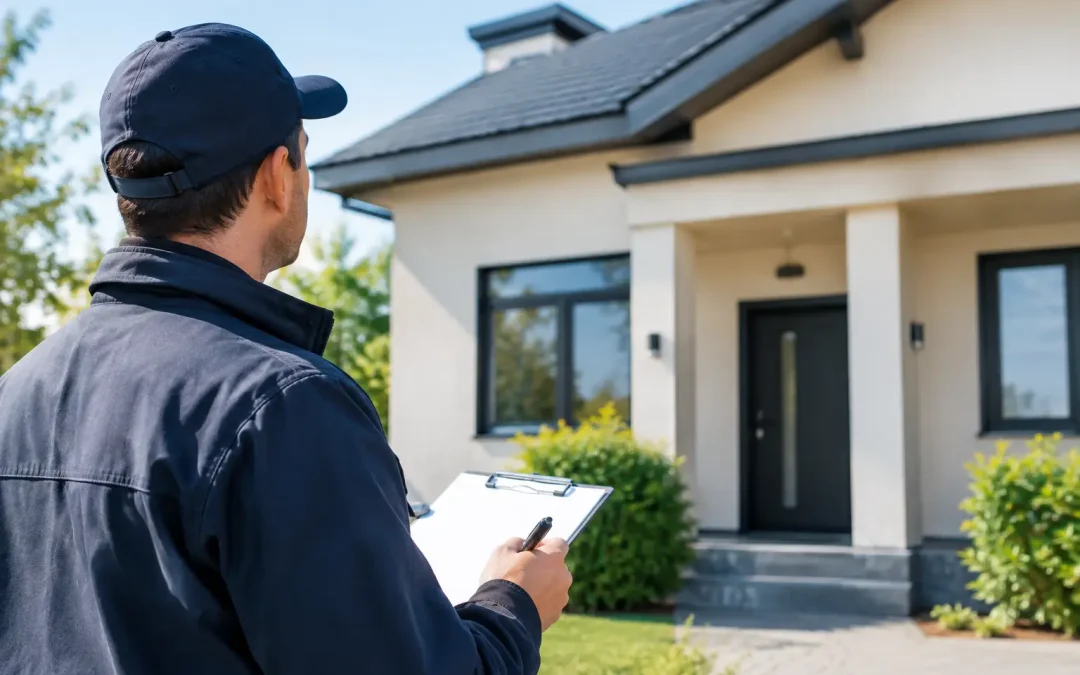
A Durango home can look perfectly still from the road while a small issue is developing inside: a furnace that has stopped cycling, a window left unlatched after a windstorm, or a slow leak beneath a sink. Essential vacant residence security checks are designed to catch those quiet concerns while they are still manageable, protecting both the home and the time you planned to spend enjoying it.
For seasonal, second-home, and frequently traveling owners, a vacant-home visit should be more than a quick walk-through. It is a disciplined review of access points, home systems, weather exposure, and visible changes on the property. The right routine provides a clear record of the home’s condition and a local person who can act quickly when something needs attention.
Why vacant homes need a different level of oversight
An occupied home gives its owners constant feedback. You hear an alarm chirp, notice an unusual odor, see moisture on a ceiling, or realize a door is not closing properly. A vacant home does not have that daily awareness. In the mountain environment around Durango, changing temperatures, snow load, wind, summer storms, wildlife, and long stretches between visits can all turn a minor vulnerability into a more expensive repair.
Security and maintenance are closely connected. A damaged exterior light may make an entrance less visible at night, but it can also indicate an electrical issue. A garage door that does not close completely is an access concern and an invitation for snow, windblown debris, or animals to enter. A low indoor temperature can be a comfort issue when you arrive, or it can signal a heating failure that puts plumbing at risk.
The frequency of checks depends on the home, its location, the season, and its systems. A well-insulated residence close to town may require a different schedule than a remote property with a long driveway, extensive landscaping, or a complex snow-melt system. Winter absences and periods of severe weather often justify more frequent oversight.
Essential vacant residence security checks for every visit
A thoughtful check begins before anyone walks through the door. The exterior often reveals the first signs that a home needs attention.
Confirm access points are secure
Each visit should include a visual review of exterior doors, windows, sliding doors, garage doors, gates, and any lower-level or utility-room entries. Look for signs of forced entry, broken glass, damaged locks, unsecured screens, or a door that has shifted out of alignment. Snow, ice, and temperature changes can affect how doors and locks operate, particularly on homes that sit vacant for extended periods.
A security check should also confirm that keys, garage remotes, gate codes, and smart-lock access are controlled. If a vendor, guest, or former service provider no longer needs entry, access should be removed promptly. For luxury homes, discretion is part of security: avoid leaving spare keys in predictable places or allowing an untracked list of people to retain codes.
Walk the perimeter with weather in mind
The condition of the grounds can tell a useful story. During a perimeter walk, inspect fencing, gates, exterior lighting, visible rooflines, decks, patios, retaining walls, and drainage areas. Note fallen branches, wind damage, animal activity, standing water, ice buildup, or anything that could create a safety issue or expose the home to damage.
In winter, snow management deserves particular attention. Snow accumulation can conceal steps, block access, burden roof edges, or make it difficult for emergency responders or service professionals to reach the property. In warmer months, irrigation leaks, overgrown vegetation, and storm debris can affect both appearance and security by obscuring windows or entry points.
Check lights, cameras, alarms, and communications
Exterior lighting should be functioning at primary entrances, walkways, garages, and other vulnerable areas. Replace failed bulbs, report fixtures that flicker or have water intrusion, and ensure timers or smart controls are following the intended schedule. A completely dark property can appear unattended, while lights left on continuously can create their own pattern.
If the residence has cameras, an alarm system, smart locks, leak sensors, or environmental monitoring, confirm that each device is online and reporting as expected. Technology is valuable, but it is not a substitute for an in-person visit. A camera may not show a frozen pipe in a closed cabinet, and a sensor can have a depleted battery or a disrupted connection. Technology works best when paired with a person who can verify conditions and coordinate a response.
Inspect interior conditions, not just appearances
Once inside, listen before turning on music or beginning other tasks. Unusual sounds from HVAC equipment, pumps, refrigerators, or alarms can point to an issue. Notice odors as well. A musty smell, gas odor, sewer smell, or scent of overheating equipment should be addressed rather than dismissed.
Walk through the main living areas, bedrooms, bathrooms, kitchen, laundry, mechanical spaces, and garage. Check for signs of water intrusion around windows, ceilings, plumbing fixtures, appliances, and exterior doors. Look for moisture, staining, unusual humidity, pest evidence, or changes in flooring and drywall. Open and close a representative selection of doors and windows when appropriate, especially after major weather shifts.
Indoor temperature and humidity readings should be reviewed against the home’s seasonal plan. During winter, the goal is not simply to keep the house warm. It is to maintain a dependable environment that protects plumbing, finishes, furnishings, and mechanical systems. In summer, excess heat or humidity can affect woodwork, electronics, and stored belongings.
Verify critical systems are operating normally
A vacant-home check should include a practical review of the systems most likely to create costly problems if they fail unnoticed. This commonly includes the heating system, thermostats, water heater, sump or ejector pumps where present, refrigerator, freezer, electrical panel, and water shutoff arrangement.
The depth of the review should match the property and the owner’s instructions. Some homes benefit from periodically running fixtures, checking water pressure, or verifying that a backup generator is ready. Others may have a winterized water system and require a different protocol. What matters is having a documented plan rather than assuming every residence has the same needs.
If a concern is found, the next step is just as important as identifying it. The homeowner should receive a clear update: what was observed, what immediate action was taken, whether a qualified vendor is needed, and what the likely timing and cost considerations may be. Prompt coordination can prevent a small repair from becoming an interruption to an upcoming stay.
Keep records that create confidence
A check is more valuable when it is documented consistently. Written visit reports, time-stamped photos where useful, notes on system readings, and records of vendor work create a practical history of the home. That history helps identify recurring concerns, supports informed maintenance decisions, and gives owners confidence when they are out of town.
Reports do not need to be filled with technical language to be useful. The best ones are direct and organized: the property was secure, the heating system was operating normally, a patio light was replaced, or a roof-area concern was referred for professional review. When there is a problem, the report should make the decision in front of the owner clear instead of adding uncertainty.
Prepare for the visit before you arrive
Security checks also make arrival easier. Before an owner or guest comes to Durango, the home can be inspected for fresh weather impacts, adjusted to a comfortable temperature, and reviewed for any maintenance issue that could disrupt the stay. Housekeeping, grocery stocking, snow clearing, and vendor scheduling can then be coordinated around the arrival plan rather than handled after the first day of a vacation.
This is where a high-touch local home-management partner makes a meaningful difference. Elevation Home Management can combine regular oversight with trusted vendor coordination and personalized household support, so the residence is not merely watched while you are away. It is cared for with the expectation that you should be able to arrive, settle in, and start living your best life in Colorado.
A vacant property will always carry some uncertainty, particularly in a mountain climate. The practical goal is not to eliminate every risk. It is to ensure that someone with local knowledge is paying close attention, documenting what they see, and handling the next detail before it becomes your problem.