
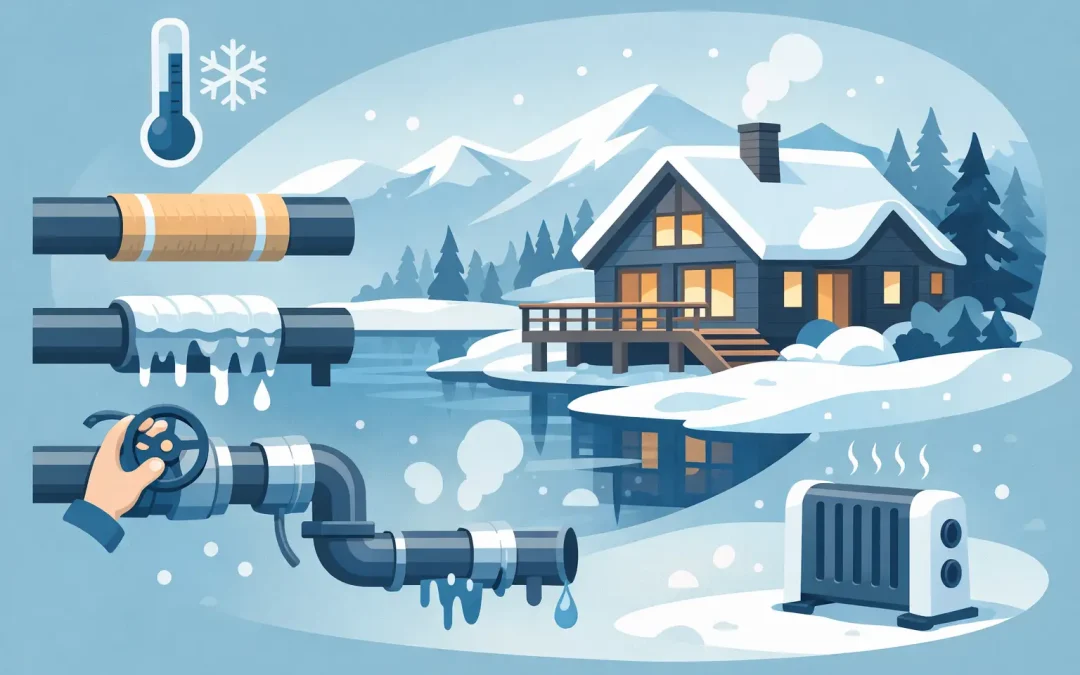
A frozen pipe rarely announces itself while it is freezing. It becomes apparent days later, when temperatures rise, ice releases, and water finds the smallest opening in a fitting, valve, or supply line. For owners who are away from Durango, knowing how to prevent vacation home pipe freezes is not simply a winter chore. It is a practical way to protect a valuable mountain retreat, avoid disruptive repairs, and arrive to a home that is ready to enjoy.
Durango winters can bring rapid temperature swings, overnight cold snaps, wind exposure, and occasional power interruptions. A home that performs well during a typical winter week may still be vulnerable during an extended period of subzero weather. The right plan accounts for the property itself, its plumbing layout, its heat source, and how quickly someone can respond if conditions change.
Start With the Right Winter Temperature
The most common mistake is setting the thermostat too low in an effort to save energy. For an occupied home, comfort may guide the setting. For a vacant or lightly used home, protection should guide it instead.
A reliable baseline is generally 55 degrees Fahrenheit or higher, but that is not a universal answer. Homes with plumbing in exterior walls, crawl spaces, garages, or poorly insulated additions may require a higher setting. Large homes with separate zones also deserve individual attention. A main living area can appear warm while a guest wing, lower level, laundry room, or mechanical room falls into a risky range.
Keep interior doors open where practical so heat can circulate, particularly around rooms with plumbing. Cabinet doors beneath sinks on exterior walls can also be left open during severe cold periods. These small adjustments help warm air reach pipes that would otherwise sit against a cold wall.
Build a Winterization Plan Around Your Home
There are two valid approaches to protecting a second home, and the better choice depends on how often you use it during winter.
If you plan to visit regularly, keeping the heating system operating and maintaining a protected interior temperature is usually the most convenient option. It allows for an easier arrival and avoids repeated shut-down and start-up procedures. It also requires dependable monitoring, fuel supply, and a local contact who can investigate an alert or concern.
If the residence will be vacant for a longer period, a professional winterization may offer greater protection. This typically involves shutting off the main water supply, draining domestic water lines, and addressing fixtures, appliances, irrigation equipment, and other systems that can retain water. In some homes, non-toxic antifreeze is used in traps and selected plumbing components. The details matter. An incomplete winterization can leave a vulnerable line, exterior spigot, ice maker, or appliance connection behind.
Neither approach is automatically safer in every situation. A heated home remains dependent on power, fuel, and equipment performance. A winterized home requires careful recommissioning before use and may not suit frequent spontaneous stays. The goal is a plan that matches your actual travel pattern rather than an assumed one.
Do Not Forget the Often-Missed Areas
Pipe failures frequently begin outside the rooms homeowners think to inspect. Pay close attention to plumbing near exterior walls, unheated garages, crawl spaces, attic areas, mudrooms, and bonus rooms over garages. Refrigerator ice makers, washing machines, wet bars, utility sinks, outdoor kitchens, hose bibs, radiant heating equipment, and humidifiers can all introduce additional water lines and connections.
A pre-winter walkthrough should identify exposed pipes, deteriorating insulation, gaps around penetrations, and cold air pathways near plumbing. Pipe insulation is helpful, but it is not a substitute for maintaining heat. It slows heat loss; it does not create warmth when the surrounding space remains cold for long enough.
Protect the Systems That Keep Heat Running
The furnace or boiler is central to freeze prevention, but it should not be treated as a set-it-and-forget-it appliance. Arrange annual service before the coldest part of the season, and make sure the technician checks the system appropriate to your home, including filters, ignition components, venting, pressure, circulation, and safety controls.
For propane-heated homes, confirm that the tank has sufficient fuel well before a storm cycle or holiday travel period. Automatic delivery is valuable, but homeowners should still understand the account settings and consumption patterns. A house that is heated to protect vulnerable areas can use more fuel than expected during a prolonged cold spell.
Power resilience also deserves attention. A backup generator may keep essential equipment operating during an outage, but only if it has been maintained, tested under load, and configured to serve the correct circuits. Confirm whether it supports the heating system, well pump, internet equipment, sump pump, and any other components your home depends on. Generator capacity varies, and a plan that works for lighting may not support every major system at once.
Use Alerts, but Have Someone Ready to Act
Smart thermostats, low-temperature sensors, water-leak detectors, and monitored security systems can provide welcome visibility from afar. They are especially useful for identifying a falling temperature before pipes freeze or detecting water in a mechanical room before a small leak becomes a larger loss.
Technology is an early-warning tool, not a response plan. Wi-Fi can fail, batteries can deplete, and an alert cannot open a cabinet door, refill propane, reset equipment, or coordinate an emergency plumber. Every vacation home should have clear, current instructions for who receives an alert and who can physically check the property.
A local home-management partner offers particular value here. At Elevation Home Management, routine property checks can include attention to interior temperature, visible plumbing concerns, mechanical systems, and signs of water intrusion, with documented communication so owners know how their home is performing while they are away. When an issue requires a specialist, prompt coordination with trusted local tradespeople can limit downtime and help protect the residence.
Schedule Meaningful Property Checks During Cold Weather
A quick drive-by is not enough to identify most freeze risks. A proper cold-weather check includes entering the home, verifying the thermostat and actual indoor temperature, listening for unusual equipment operation, and looking for water where it does not belong.
The frequency should reflect the home and the forecast. A newer, well-insulated home with redundant heat and full-time monitoring may need less frequent in-person oversight than an older mountain property with a crawl space, a long driveway, or a history of cold spots. When an extended cold event, power outage, or heating alert occurs, the regular schedule should give way to a prompt check.
During each visit, a responsible caretaker should be prepared to address the basics: confirm heat is running, inspect visible pipes and fixtures, check for leaks around water heaters and mechanical equipment, and verify that doors and windows are secure. In severe conditions, checking water flow at selected fixtures can reveal early restrictions, although this should be done thoughtfully if the home has been fully winterized.
Know What to Do When a Pipe May Be Freezing
If a faucet produces only a trickle, a room feels unusually cold, or an exposed pipe has frost on it, act quickly but carefully. Keep the heat on, open cabinet doors, and apply gentle warmth to the affected area with a hair dryer, warm towels, or safe space heating under close supervision. Never use an open flame, torch, or high-intensity heat source. Those methods can damage plumbing, create a fire hazard, or cause a pipe to fail suddenly.
If there is any sign of a burst pipe or active leak, shut off the water supply immediately if it is safe to do so. Then contact a qualified plumber and arrange for the home to be assessed. Documenting the condition with photographs can also help with insurance communication, but stopping the flow of water comes first.
A Simple Departure Routine Makes a Difference
Before leaving for an extended winter absence, confirm that your thermostat is set correctly, the water strategy is in place, fuel levels are adequate, and alerts are active. Make sure a trusted local person has access to the home, knows the shutoff location, and has current contact information for your preferred plumber, heating contractor, and insurance carrier.
The best protection is not one device or one temperature setting. It is attentive preparation paired with someone local who can handle the details when the forecast changes. That kind of care lets your Durango home remain a protected retreat through winter, so your next arrival can begin with Colorado on your terms.