
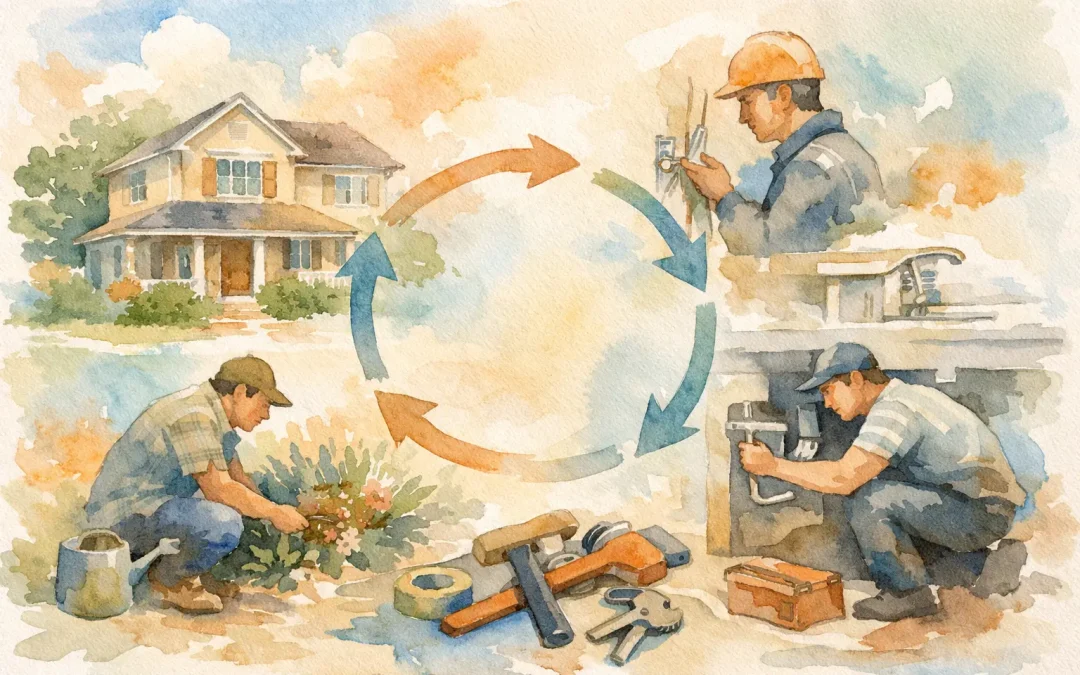
A furnace technician arrives while the snow is falling, a plumber needs access to a utility room, and the driveway contractor is waiting on a weather window. For a busy homeowner, especially one who is out of town, these are not isolated appointments. They are connected details that require someone local to coordinate home maintenance vendors with sound judgment, clear communication, and close follow-through.
In a Durango home, maintenance coordination is about more than getting a vendor on the calendar. Mountain weather, seasonal occupancy, specialized systems, access logistics, and the condition of the home all affect the work. When each service provider has the right information at the right time, routine care stays routine. When details are missed, a minor repair can become an inconvenient and costly disruption.
Start With a Clear Scope of Work
The most reliable vendor relationships begin before the appointment is scheduled. A provider should understand what needs attention, where the concern is located, what has already been observed, and whether there are related conditions that may affect the repair.
“Please check the heat” is a reasonable starting point, but it is not a complete work order. A better request identifies the affected zone, any error codes or unusual sounds, when the issue began, and whether the home is occupied. If a bathroom faucet is leaking, the plumber should know whether the water can remain on, whether there is evidence of damage below the fixture, and whether the repair needs to be completed before an upcoming owner arrival.
Clear scopes protect both the homeowner and the vendor. They reduce unnecessary trips, help providers bring appropriate parts, and make it easier to compare recommendations if a larger repair is proposed. They also establish a useful record of what was requested, what was found, and what was completed.
For substantial projects, the scope should distinguish between diagnosis, immediate repair, and optional improvements. A contractor may identify aging components that deserve future attention, but not every recommendation belongs in the same authorization. Thoughtful coordination keeps urgent work moving while giving the homeowner appropriate visibility into larger decisions.
Coordinate Home Maintenance Vendors Around the Home
The best maintenance plan considers the home as a working system, not a collection of unrelated service calls. Heating, plumbing, roof drainage, exterior access, security systems, landscaping, and housekeeping can overlap in ways that are easy to miss when appointments are handled one by one.
For example, a spring exterior inspection may reveal gutter debris, a loose roof flashing detail, and an irrigation line that needs startup service. Addressing these in the right order matters. The roof and gutters should be assessed before runoff patterns are evaluated, and irrigation work should be scheduled with an understanding of overnight temperatures and ground conditions.
Likewise, preparing a home for winter involves more than a furnace service call. It may include checking heat settings, confirming emergency contacts, reviewing freeze protection, testing sump pumps where applicable, clearing exterior access, and making sure a vendor can enter if a system alert occurs. A home that sits vacant for part of the season needs an especially deliberate plan.
A local home manager can see these connections and schedule work in a practical sequence. At Elevation Home Management, this kind of oversight is designed to protect the residence while keeping it ready for the owner to enjoy, whether the next visit is next week or next season.
Choose Trusted Vendors, Not Just Available Vendors
Availability matters when a pipe bursts or a heat system fails, but speed alone is not the standard. Homes in the Durango area often have particular demands, from high-altitude conditions and snow loads to remote locations, private drives, and sophisticated mechanical systems. The right professional has the necessary trade expertise and understands the realities of working in the region.
Established local relationships can make a meaningful difference. A known vendor is more likely to understand access expectations, communicate candidly about scheduling, and provide a realistic assessment rather than a rushed answer. That familiarity does not mean accepting work without review. It means knowing which providers have demonstrated competence, professionalism, proper licensing where required, and respect for a client’s home.
Price should be evaluated in context. The lowest estimate may be appropriate for a simple, well-defined task. For complex repairs, the better value may come from a provider who diagnoses the underlying issue accurately, uses quality materials, documents the work, and stands behind the result. Saving a small amount on the first visit does not help if the same problem returns in a few months.
When comparing proposals, look beyond the total. Consider the stated scope, exclusions, estimated schedule, warranty terms, material allowances, and whether permits or inspections may be needed. These details help prevent surprises after work is underway.
Make Access, Security, and Communication Part of the Plan
A vendor cannot do good work if access is uncertain. For seasonal and second-home owners, arranging entry is often one of the most important parts of coordination. Someone should confirm the appointment, ensure the correct areas are accessible, secure pets if needed, and verify that gates, garages, utility rooms, and mechanical closets can be reached.
Security deserves the same attention. Avoid widely shared codes and informal instructions that create confusion later. A responsible local representative can provide managed access, remain available during the appointment when appropriate, and confirm that doors, windows, and gates are secured once the work is complete.
Communication should be equally intentional. The homeowner does not need a stream of messages for every routine service visit. They do need timely notice when a decision, cost approval, or unexpected condition requires attention. The ideal approach is calm and specific: what happened, what it means, what options are available, and what is recommended next.
For non-urgent work, set expectations in advance about spending limits. A pre-approved threshold allows a manager to authorize modest repairs without delaying a necessary fix, while anything beyond that amount can be presented for owner approval. This is particularly useful when a vendor discovers a small issue during a scheduled maintenance visit.
Document the Work and Verify Completion
An invoice confirms that a vendor was paid. It does not always confirm that the right work was done, that the home was left in good order, or that a related concern was addressed. Verification is where capable coordination becomes accountable home stewardship.
After a visit, keep a record of the service performed, findings, recommended next steps, costs, and any warranty information. Photos can be valuable when they show a repaired area, a recurring condition, or a concern the owner may want to understand from afar. For technical systems, note model numbers, filter sizes, service intervals, and contractor recommendations so future appointments begin with useful context.
A quick post-service check can also catch practical details: Is the thermostat set correctly? Was a water shutoff returned to its proper position? Is debris removed? Were exterior gates latched? If the work involved a leak, has the surrounding area been checked for moisture or damage? These small confirmations are easy to overlook, but they are often what protects a home after the vendor leaves.
Documentation also makes long-term planning easier. A well-maintained record can reveal patterns, such as repeated drainage issues, rising repair costs for an aging appliance, or the need to budget for a future roof replacement. It gives homeowners a clearer picture of their property and helps avoid reactive decision-making.
Build a Seasonal Rhythm Instead of Waiting for Problems
Most homes benefit from a recurring maintenance calendar tailored to their systems, occupancy, and exposure. In Durango, the calendar should account for changing weather as much as traditional service intervals. Spring may call for snowmelt and exterior checks. Summer often brings irrigation, landscaping, and wildfire-readiness considerations. Fall is the time to prepare plumbing, heating, and access routes for cold weather. Winter requires watchful oversight of heat, snow, ice, and vacancy-related risks.
Not every service must occur on a fixed annual schedule. A newer home with full-time occupancy may need a different cadence than an older mountain residence that is vacant for months at a time. The goal is not to create unnecessary appointments. It is to make sure the right professionals see the right systems before a small vulnerability becomes an emergency.
A coordinated calendar also respects the homeowner’s time. If a home needs cleaning, grocery stocking, landscaping touch-ups, and a system check before an arrival, those services can be arranged in a sensible order. The result is not simply a maintained property. It is a residence that feels cared for from the moment the door opens.
The most valuable part of vendor coordination is often invisible: a concern noticed early, an appointment confirmed before a storm, a recommendation reviewed carefully, or a completed repair checked one last time. That attentive work gives homeowners the freedom to spend less time managing logistics and more time living their best life in Colorado.